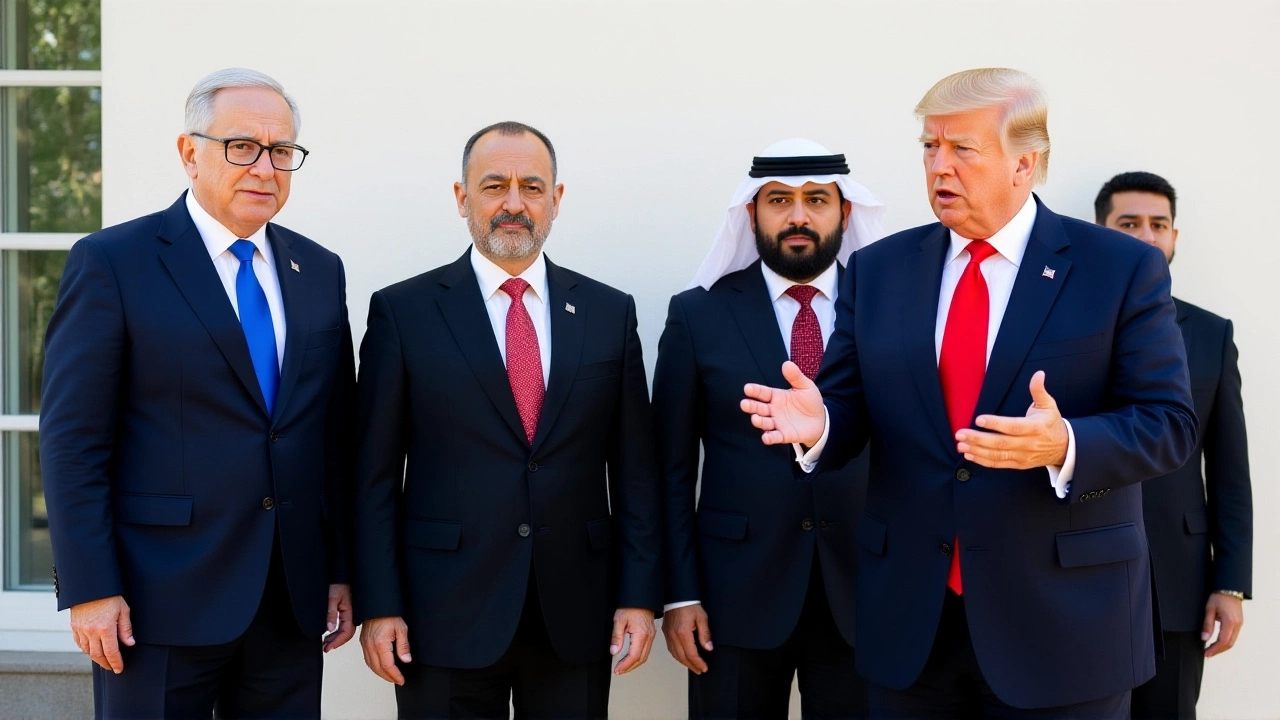
It’s a move that has geopolitical analysts scrambling for their maps. Kazakhstan, the vast Central Asian republic with deep historical ties to the Muslim world, is reportedly set to join the Abraham Accords. This isn’t just another diplomatic handshake; it’s a significant shift in the Middle East landscape, orchestrated under the shadow of Donald Trump, former U.S. President.
The announcement comes at a time when relations between Israel and many Arab and Muslim-majority nations remain fraught with tension. Kazakhstan has maintained formal diplomatic relations with Israel since 1992—over three decades ago. So why sign on now? The timing suggests more than mere protocol. It signals a strategic realignment driven by energy security, technological cooperation, and, perhaps most notably, the enduring influence of American foreign policy.
The Trump Factor in Central Asia
Here’s the thing: the Abraham Accords were Trump’s signature foreign policy achievement before he left office in January 2021. He brokered deals between Israel and the United Arab Emirates, Bahrain, Sudan, and Morocco. But the initiative didn’t die with his presidency—it evolved. Now, reports indicate that Trump’s team has been quietly lobbying several other nations to join, including Kazakhstan.
Why Kazakhstan? Well, it’s not exactly a neighbor to the Levant. But consider this: Kazakhstan is one of the world’s largest producers of uranium and oil. It’s also a key player in regional stability between Russia, China, and the West. By normalizing ties further with Israel through the Accords framework, Astana (the capital) positions itself as a bridge between Eastern and Western interests—a role both Washington and Jerusalem find valuable.
Trump’s involvement remains central. Sources close to his campaign suggest he sees expanding the Accords as part of his legacy—and potentially a bargaining chip in future negotiations. Whether he returns to the White House or not, his brand carries weight in Middle Eastern diplomacy. And right now, that brand is being leveraged hard.
What Does This Mean for Regional Dynamics?
Let’s break it down. The original Abraham Accords aimed to reduce conflict by fostering economic and cultural ties between Israel and its neighbors. For countries like the UAE and Bahrain, it meant access to Israeli tech, investment opportunities, and reduced risk from Iranian influence. For Israel, it meant breaking out of diplomatic isolation.
Kazakhstan brings something different to the table. Its entry could open doors for collaboration in agriculture, water management, and cybersecurity—areas where Israel excels. Imagine Kazakh farmers using Israeli drip irrigation techniques adapted for steppe climates. Or joint ventures in renewable energy projects spanning the Caspian Sea region. These aren’t hypotheticals—they’re already happening on smaller scales. Formalizing them under the Accords umbrella accelerates progress.
But there’s pushback too. Some Islamic groups within Kazakhstan view any normalization with Israel as betrayal. Others argue that joining the Accords doesn’t solve core issues like Palestinian statehood or humanitarian crises in Gaza. Critics say it’s optics over substance. Yet supporters counter that incremental steps build trust—and trust leads to peace.
A New Chapter in Diplomatic History
To understand how we got here, let’s rewind slightly. In September 2020, Trump hosted four leaders at the White House for the initial signing ceremony. Since then, additional countries have expressed interest—but few followed through until recently. Why the delay? Geopolitical uncertainty played a big role. The pandemic disrupted global priorities. Then came escalating conflicts in Yemen, Libya, and later Gaza. Each flare-up made diplomats cautious about committing publicly to pro-Israel initiatives.
Yet behind closed doors, talks continued. According to unnamed officials familiar with the discussions, Kazakhstan began exploring participation as early as 2023. What changed? Two things: increased pressure from Washington and growing recognition among Astana’s leadership that diversifying partnerships benefits national security.
Consider Russia’s war in Ukraine. With Moscow increasingly isolated internationally, Kazakhstan sought stronger links elsewhere—including with democracies aligned against authoritarian aggression. Strengthening ties with Israel fits neatly into that strategy. Plus, given shared concerns about terrorism and extremism, intelligence-sharing becomes mutually beneficial.
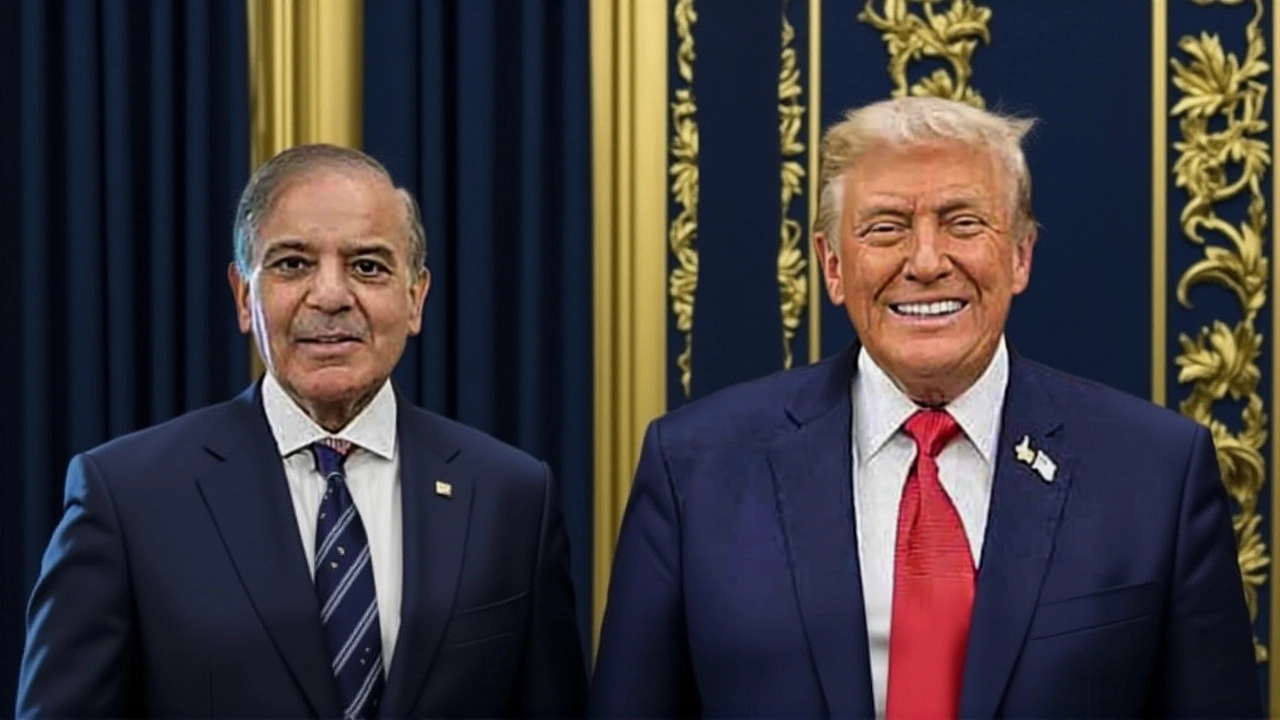
Looking Ahead: Challenges and Opportunities
So what happens next? If finalized, Kazakhstan’s accession would mark the first time a post-Soviet state joins the Abraham Accords. That alone makes headlines. But beyond symbolism lies practical implementation. How will agreements translate into tangible outcomes? Will businesses capitalize on new markets? Can citizens overcome lingering prejudices?
Experts warn against expecting overnight transformation. Decades-old biases don’t vanish because politicians shake hands. Still, history shows us that even small gestures can ripple outward. Look at how Spain normalized relations with Israel in 1986 despite strong domestic opposition—or how Turkey did so briefly before tensions resurfaced. Every case teaches lessons worth applying today.
For now, all eyes turn toward upcoming summits where details may emerge. Until then, speculation runs rampant. One thing seems certain though: whatever direction things take, Kazakhstan’s decision reflects broader trends reshaping international alliances. Trends fueled equally by pragmatism and principle.
Frequently Asked Questions
Why is Kazakhstan joining the Abraham Accords after 33 years of existing relations?
While Kazakhstan established basic diplomatic ties with Israel in 1992, joining the Abraham Accords represents a deeper commitment to structured cooperation across sectors like technology, agriculture, and defense. It aligns with Astana’s goal of balancing relationships amid shifting global powers, especially following Russia’s invasion of Ukraine.
What role does Donald Trump play in this development?
As the architect of the original Abraham Accords, Trump continues to advocate for their expansion. His administration laid groundwork for future enrollments, and current efforts reflect ongoing engagement from his circle. His personal connections with leaders in both regions facilitate dialogue even outside official channels.
How might this affect Kazakhstan’s relationship with other Muslim-majority nations?
Reactions vary widely. While some see it as pragmatic diplomacy enhancing prosperity, others criticize it as abandoning solidarity with Palestinians. Kazakhstan must navigate these sensitivities carefully, emphasizing mutual benefit rather than ideological alignment to maintain regional harmony.
Are there specific industries expected to benefit from this agreement?
Yes, particularly agriculture, water conservation, cybersecurity, and clean energy. Israel’s advanced expertise in these fields complements Kazakhstan’s natural resources and infrastructure needs. Joint ventures could lead to innovative solutions applicable globally, boosting economies on both sides.
Is this move likely to impact the Israeli-Palestinian conflict resolution process?
Directly, probably not much. Indirectly, yes—if expanded normalization reduces hostility overall, it creates space for renewed negotiations. However, without addressing fundamental grievances such as occupation and displacement, lasting peace remains elusive regardless of bilateral accords.
When can we expect official confirmation of Kazakhstan’s membership?
No exact date has been announced yet. Typically, such processes involve lengthy consultations involving legal frameworks, parliamentary approvals, and public consultations. Expect updates during major multilateral events involving participating nations, possibly within six months depending on political developments.
 Entertainment and Film Industry